
Building an Administration Panel: Choosing the Stack
An admin panel has to balance user experience against developer experience. The stack I chose was React, TypeScript, Vite, and Tailwind CSS, and here is why each piece earned its place.
I was asked to design the structure for an admin panel, which meant balancing two things that often pull against each other: how the product feels to use, and how the codebase feels to build in. This is the stack I chose, and the reasoning behind each piece.
React
React was the first decision, and the easiest one. Its component model made the interface easy to break into manageable pieces, and its ecosystem meant most requirements had an existing, well-tested answer rather than something I had to build from scratch.
Type safety with TypeScript
JavaScript's flexibility is also its risk. I chose TypeScript because catching a mismatched type at compile time is cheaper than catching it in production, and an admin panel tends to only grow more complex over time, not less.
Vite for the build
For the build tool, I picked Vite over Next.js. Next's server-side rendering and SEO handling are strengths I did not need here; an internal admin panel does not need to rank on Google. Vite's PWA support and fast dev server were the more relevant trade-off for this project.
Tailwind CSS
I compared Material UI, Ant Design, and Chakra UI before landing on Tailwind CSS. Utility classes fit this project's pace better than a component library with its own opinions about spacing and structure already baked in.
Where the components came from
Tailwind handles styling, not components, so building forms from nothing would have cost time I did not need to spend. React Bulletproof gave me a solid set of form components to start from, and TailwindUI and Meraki UI filled in the rest of the interface without custom work.
What it added up to
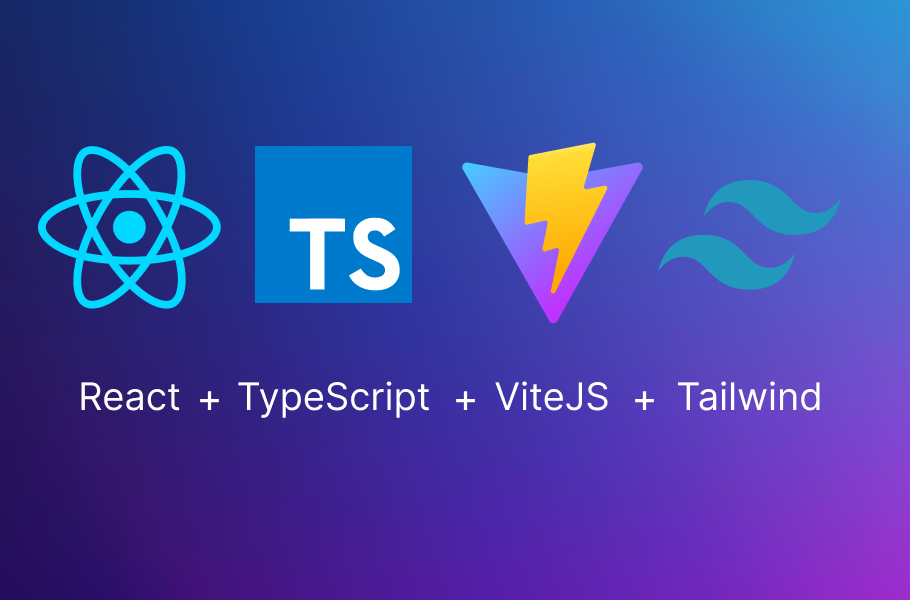
React, TypeScript, Vite, and Tailwind CSS, plus a handful of component libraries to avoid rebuilding what already existed. None of these choices were exotic on their own. What made the stack work was picking pieces that stayed out of each other's way. The next article covers how I structured the project itself.